About the role
We are hiring a sіenior engineer to own it outright: assess what exists, design the target state, rebuild it to that design, and then run it with the monitoring, resilience and production-support discipline a regulated client base expects. This is a hands-on, individual-contributor role with design ownership. You will have the authority to set the standards for how code reaches production at the company and the accountability for whether those releases are predictable, traceable, and safe.
About the project
Client is a professional investigations, due diligence and screening firm whose clients trust us with sensitive data in regulated settings. Our application platform a multi-tier SaaS ecosystem of legacy (.NET Core 3.1) and modern (.NET 8 / React) applications running on Azure Virtual Machines and IIS is the product our investigators and clients depend on every day.
Who are we looking for?
Skills & Experience
- 8+ years in DevOps, platform, release or infrastructure engineering, including 3+ years designing and owning CI/CD platforms end to end — not only operating pipelines someone else designed.
- Demonstrated experience inheriting an immature or poorly built pipeline estate and rebuilding it to a standard you defined. Be prepared to walk us through one in detail.
- Expert in Azure DevOps: YAML multi-stage pipelines, templates, environments and approvals, deployment groups, service connections with workload identity federation, branch policies, Azure Artifacts, agent pool management.
- Strong Infrastructure as Code practice (Bicep or Terraform) for Azure, including environment parity and drift control.
- Expert PowerShell and Azure CLI; comfortable automating Windows Server and IIS administration (app pools, bindings, warm-up, configuration) rather than clicking through it.
- Strong experience building and deploying .NET applications (MSBuild, dotnet CLI, C#) including legacy .NET Core 3.1 workloads that are out of Microsoft support, and modern .NET 8 / ASP.NET / React / Node.js / NPM front-end build pipelines.
- Azure SQL Database release engineering: DACPAC / SqlPackage deployments, schema-change safety, pre-deployment backup and rollback discipline.
- Azure monitoring and observability: Azure Monitor, Application Insights, Log Analytics (KQL), alert design and action groups.
- Azure Key Vault, App Configuration, Managed Identities, Azure RBAC, Application Gateway, NSGs and core Azure networking and security concepts.
- Artifact management: immutable artifacts, semantic versioning, dependency management, retention and feed governance, release traceability.
- Working experience with incident management, post-incident review and runbook practice in a production environment.
- Clear written and spoken communication: you can explain a design decision or an incident to engineers and to non-technical leadership.
Nice to have
- Experience in SOC 2, ISO 27001 or otherwise regulated SaaS environments, including producing change-management evidence from the pipeline.
- Experience with data-residency requirements (e.g., workloads constrained to a specific region or country).
- Containerisation and managed hosting on Azure (App Service, Azure Container Apps or AKS) as part of a modernisation path from VM/IIS hosting.
- GitHub Actions in addition to Azure Pipelines.
- Database administration fundamentals (performance, indexing, backup/restore strategy) alongside release automation.
- Test-automation integration (unit, integration, smoke and synthetic tests as pipeline gates).
- Azure cost awareness: right-sizing environments, scheduling non-production compute, reserved capacity.
- Azure certifications such as AZ-400, AZ-104 or AZ-305.
Responsibilities
CI/CD Platform Design and Release Engineering
- Design, build and own deterministic Azure DevOps YAML multi-stage pipelines using reusable templates; migrate remaining Classic build and release definitions to YAML.
- Implement a build-once / deploy-many model: immutable, versioned artifacts promoted unchanged through DEV, Staging, UAT and Production, with environment-specific configuration injected at deploy time.
- Automate build, test, validation, deployment, rollback and environment promotion end to end, with no manual steps on the release path.
- Implement deployment strategies that eliminate downtime for IIS-hosted applications (blue/green, rolling or slot-style patterns using Application Gateway), with automated health checks and automated rollback on failed validation.
- Manage Azure Artifacts, NuGet and NPM feeds, deployment packages and release dependencies, including retention, upstream-source governance and vulnerability policy.
- Automate Azure SQL schema releases (DACPAC) with pre-deployment backups, reversible migration patterns and explicit rollback procedures for database changes.
Source Control and Engineering Governance
- Drive trunk-based development, branch policies, PR validation builds, required reviewers and quality gates (build, unit and integration tests, code coverage thresholds, static analysis).
- Ensure every production release is traceable from work item to commit to build to artifact to deployed environment, with that evidence available for audit without manual effort.
- Define and enforce pipeline, repository and environment standards that internal engineers and external delivery partners must follow; review partner-delivered pipeline and infrastructure changes before they reach production.
- Measure and improve deployment reliability, release velocity and developer productivity; remove friction from the developer workflow without weakening controls.
Reliability, Monitoring and Production Support
- Design and implement observability for the application and deployment platform using Azure Monitor, Application Insights and Log Analytics: dashboards, service-level indicators, alerting with clear ownership, and deployment-health telemetry.
- Define and run release and incident runbooks; lead post-incident reviews for release-related and platform incidents and drive the corrective actions to closure.
- Serve as the technical escalation point for production release and platform incidents, and help establish a sustainable production-support and on-call model for DevOps, server and database issues.
- Validate backup, restore and disaster-recovery procedures for the environments the pipeline deploys to; test rollback and recovery, not just forward deployment.
- Eliminate configuration drift between environments through Infrastructure as Code and automated compliance checks.
Security, Compliance and Change Control
- Build security into the pipeline: secret scanning, dependency and container/package vulnerability scanning, static analysis gates, signed and immutable artifacts.
- Implement secure configuration and secret management with Azure Key Vault, App Configuration and Managed Identities; eliminate stored credentials in code, pipelines and configuration files; use workload identity federation for service connections.
- Apply least-privilege access across Azure DevOps (projects, pipelines, environments, service connections, agent pools) and Azure (RBAC); maintain segregation of duties between those who write code and those who approve production releases.
- Design the release process so SOC 2 change-management evidence (approvals, test results, deployment records, audit trail) is produced automatically by the pipeline rather than assembled by hand.
- Respect data-residency constraints in pipeline and infrastructure design, including environments that must remain in a specific Azure region.
Azure Infrastructure and Environments
- Define and manage environments as code (Bicep or Terraform) so DEV, Staging, UAT and Production are provably consistent and reproducible.
- Administer Azure Virtual Machines, Windows Server and IIS, including OS and runtime patching strategy, image and configuration baselines, and capacity planning.
- Configure and maintain Azure Application Gateway, NSGs, routing rules and TLS certificate lifecycle (automated issuance and renewal, no expiry-driven outages).
- Build PowerShell and Azure CLI automation for deployment and infrastructure operations; retire manual processes as a matter of course.
- Contribute to the platform modernisation roadmap (containerisation, managed hosting, cloud-native monitoring and messaging) and keep the pipeline design ready for it.
Standards, Documentation and Enablement
- Document the platform: architecture, standards, runbooks, onboarding guides and decision records. If it is not written down, it is not done.
- Coach developers and delivery partners on the release process; make the right way the easy way.
- Report platform health and release metrics to engineering leadership in plain language.
What we offer
Work:
- Flexible working hours;
- Collaborative, friendly team environment;
- Remote/Hybrid work;
Life:
- Company social events;
- Annual corporate parties;
Health:
- Comprehensive medical insurance;
Education:
- Allowances for professional education;
- English language courses with native speakers;
- Internal knowledge-sharing sessions.
What we offer
About Proxet
Proxet is a professional software development firm trusted by clients from around the world. With our expertise in AI and machine learning, we help businesses reimagine their possibilities and transform ideas into tangible digital solutions. By providing core services with an emphasis on data practices, we shape the future, one step at a time.
If you’d like to join our Proxet Nation and work closely with high-level professionals and our engineers, fill in the form!
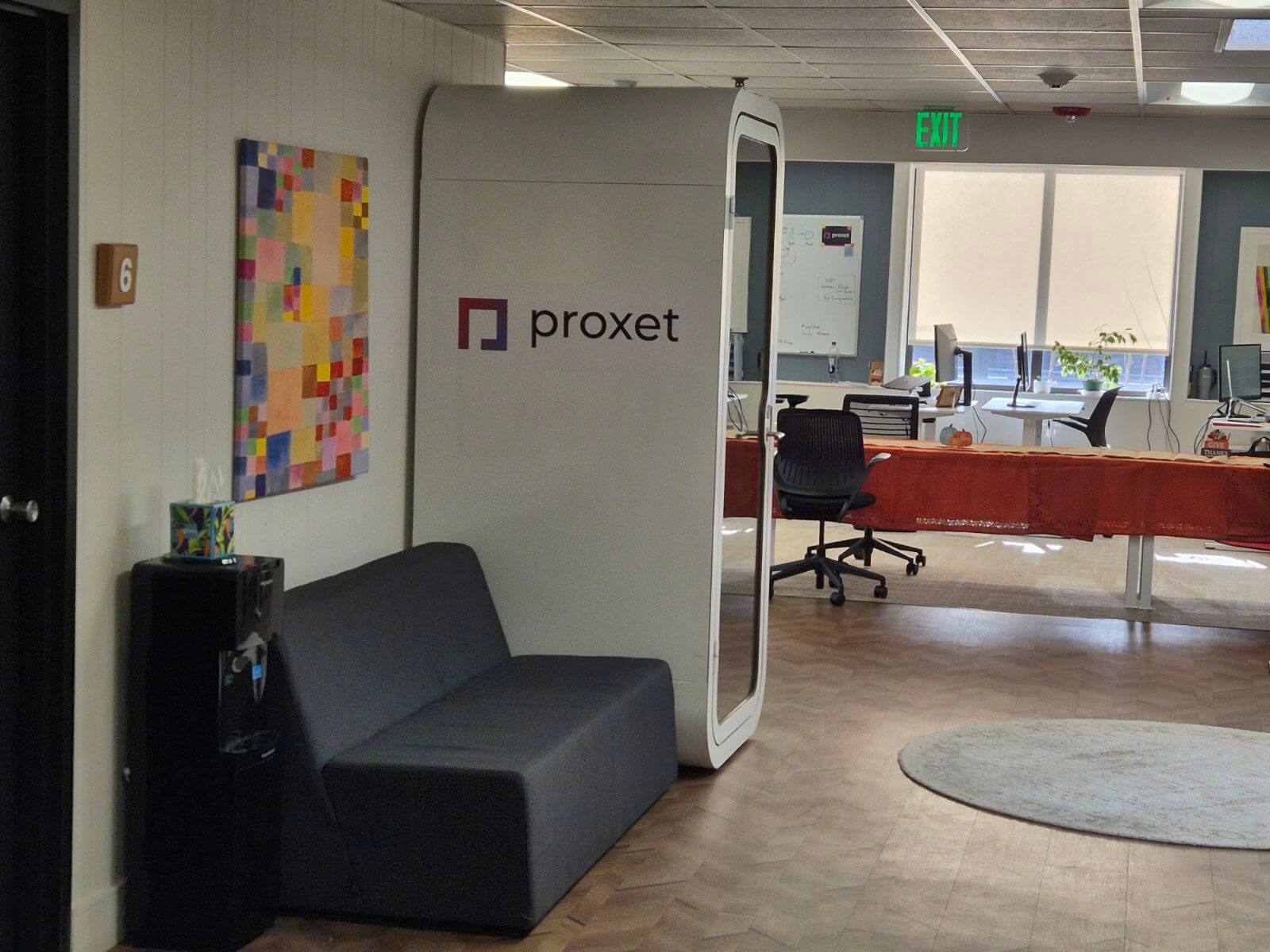
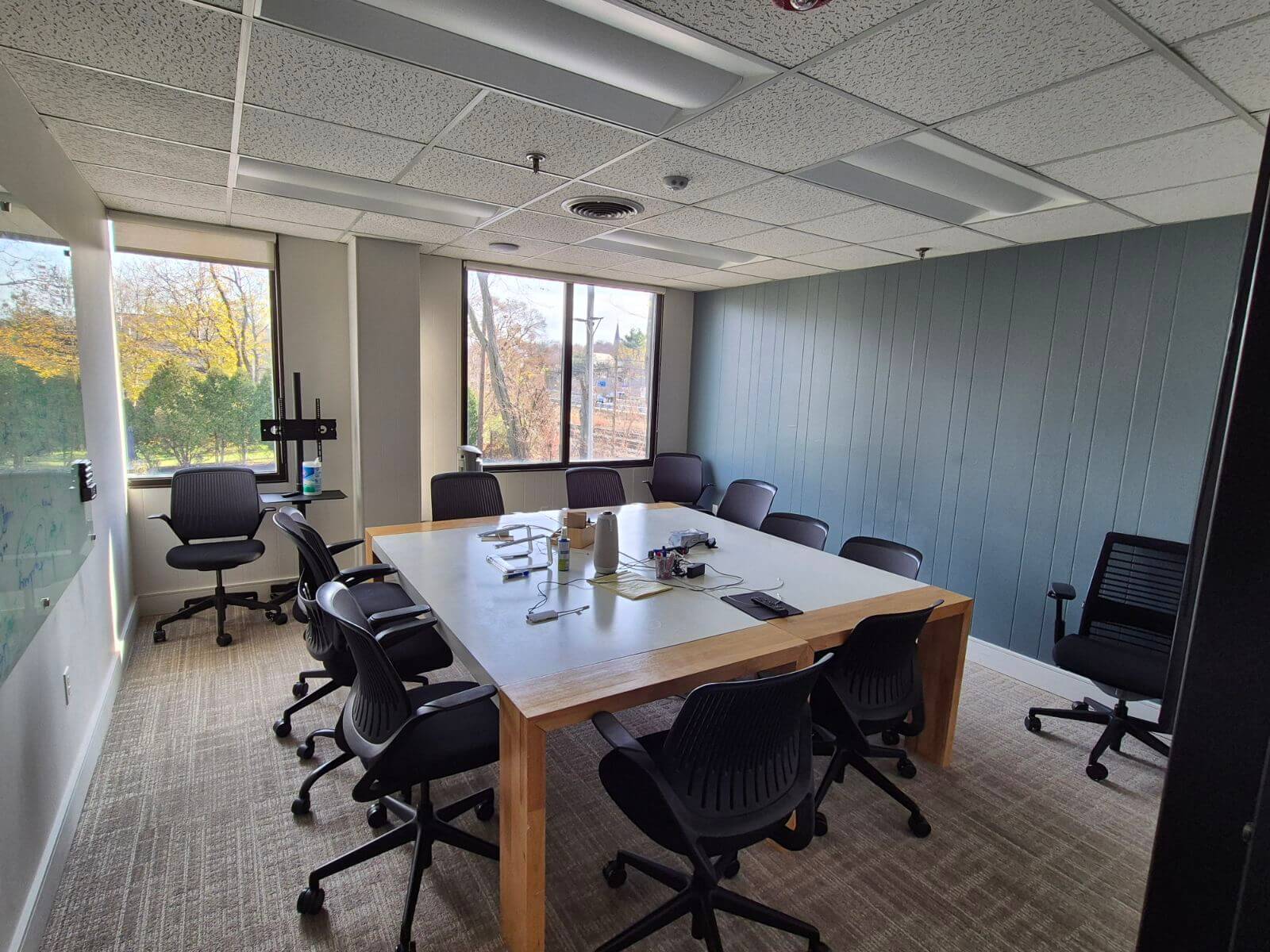
Our offices:




Interested? Let's get in touch!
Tell us about yourself, then leave a link or upload your resume and we will get back to you soon!
Interested in this closed position? Let's get in touch!
Tell us about yourself, then leave a link or upload your resume and we will get back to you soon!
Are you already working at Proxet and do you have a friend who's a good fit for us?
Tell us about your friend - send their resume to our email careers@proxet.com!